
/
ShowcaseCoworking space design: the coolest workplaces
The number of high-growth tech companies in the UK has more than tripled in the last ten years, according to research by Deloitte. In 2024 alone, 144,596 tech companies launched in the UK, up over 50% on the previous year, making it one of Europe’s leading tech ecosystems. In fact, the UK today is one of only three countries in the world (after the US and China) with a tech sector valued at over US$1 trillion.
The recent explosion of tech firms in UK cities (principally London, but also Manchester, Birmingham, Bristol and Edinburgh) has led to major investment in commercial tech office developments. But what defines a tech office? How does a tech office differ from other workplace settings? And how do tech firms leverage their workspace to attract the skills and talent they need?
To answer these questions, we took a look at some of the coolest offices in the UK tech sector.
Our top 8 coworking space designs
As we know, offices don’t have to be boring. Here, we take a look at some of the coolest and most exciting new offices in the UK tech sector.
1/ Uncommon, Holborn
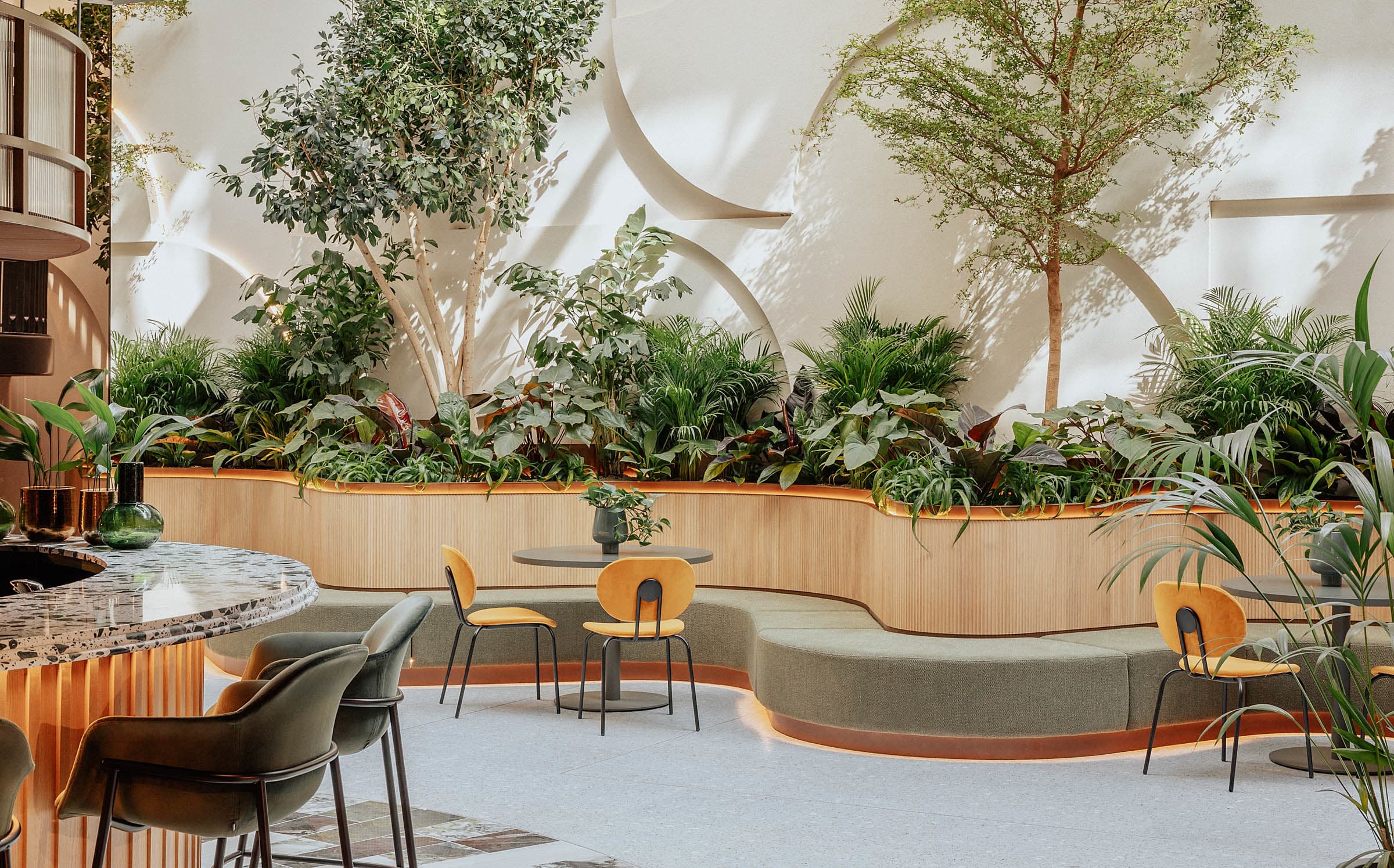
Uncommon Holborn redefines the modern office through wellbeing, flexibility and hospitality‑grade detail. Set in the heart of High Holborn, it blends communal lounges, quiet focus zones and technologically advanced meeting rooms to support diverse work modes and styles. The space features sustainable Framery pods made from recycled materials, a dedicated wellness studio and a rooftop terrace overlooking the city. Designed to boost productivity and community, Uncommon Holborn offers a progressive, service‑rich environment for over 2,000 members, with fully customisable private offices and seamless digital integration.
Key project info
- Size: 105,000 sq ft
- Location: London
- Standout feature: Framery pods made from recycled glass, steel and PET
- Office designer: QBRE
WRKPLC’s verdict
A stunning workspace that has sustainability at its core. This is a flexible, stylish and forward-looking coworking destination.
2/ Orega, Eighty Strand
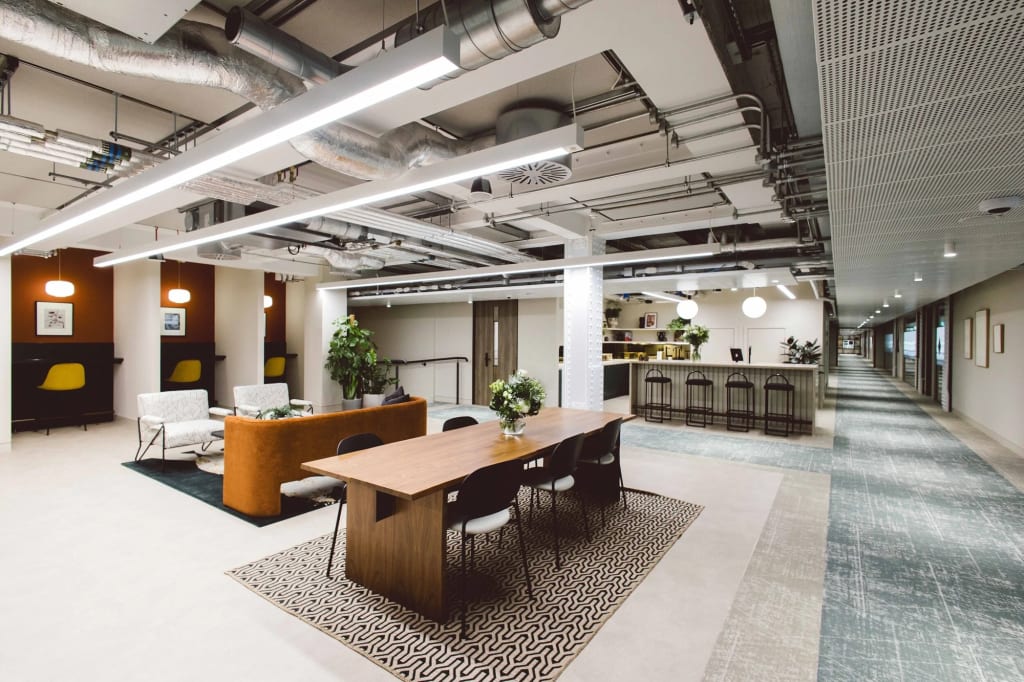
Orega’s flagship workspace at Eighty Strand blends the building’s Grade II Art Deco heritage with a refined, contemporary design, creating a sophisticated environment where elegance meets performance. Key spatial features include marble finishes, geometric detailing and green accents inspired by the adjacent Glasshouse Garden. A bright Pavilion entrance leads to a spacious reception and lounge, establishing a hospitality‑driven tone. With premium meeting rooms, soundproofed offices, wellness‑focused amenities and seamless technology, Orega at Eighty Strand delivers a highly functional, design‑led coworking space that elevates productivity and reflects the prestige of its iconic location.
Key project info
- Size: 37,000 sq ft
- Location: London
- Standout feature: Glass pavilion entrance
- Office designer: Area
WRKPLC’s verdict
This beautiful workspace ticks all the boxes, paying tribute to Eighty Strand’s rich historical context while creating a sophisticated modern business environment.
3/ Fora, Chancery House
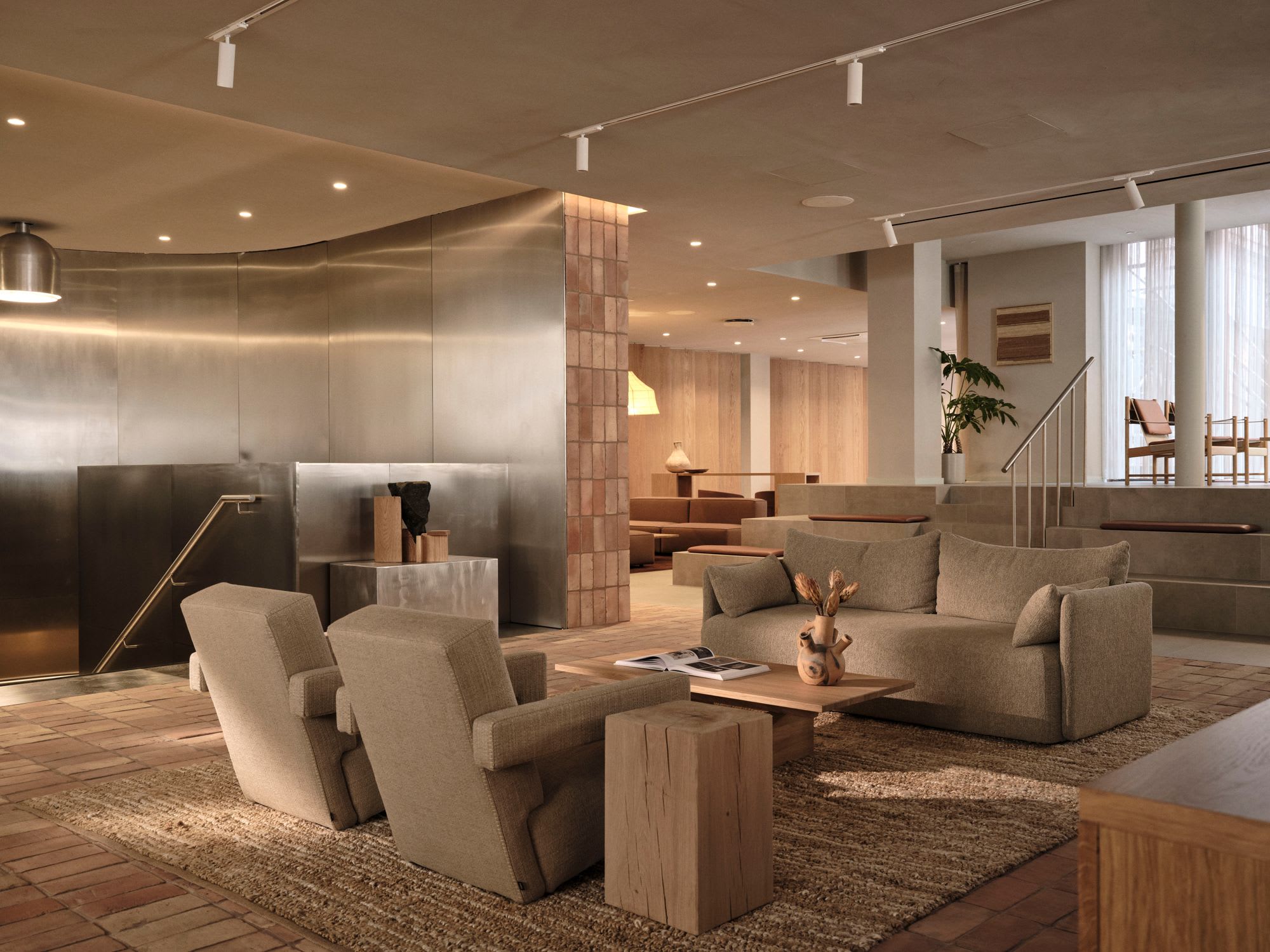
Through the redevelopment of Fora’s Chancery House, dMFK and Norm Architects have transformed an historic building into a light-filled, landmark workspace. Set above the London Silver Vaults, the retrofitted space includes new courtyards, permeable ground‑floor connections and high‑performance cladding to brighten previously dark interiors. The design draws on the building’s material heritage of redbrick, sandstone, concrete and stainless steel to create a calm, tactile aesthetic rooted in place. With wellness amenities, natural ventilation and WELL Platinum and BREEAM Excellent accreditation, Chancery House delivers a human‑centric workspace for modern businesses.
Key project info
- Size: 150,000 sq ft
- Location: London
- Standout feature: Dramatic steel-lined portal/entrance
- Office designer: dMFK
WRKPLC’s verdict
Fora’s Chancery House is a lovely reimagining of an iconic London structure. The newly created space and permeability really lets in the light. Beautiful.
4/ Huckletree, Bishopsgate
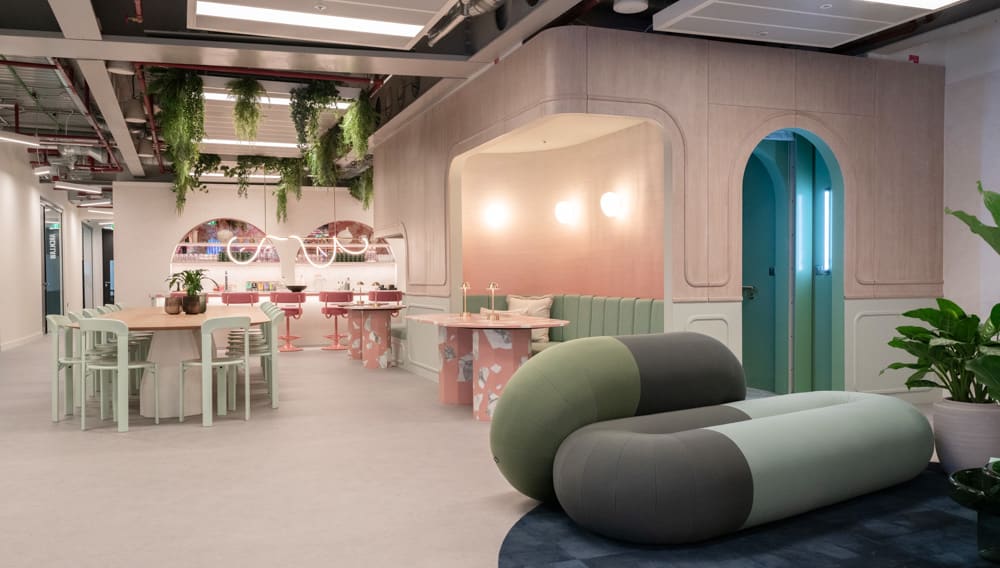
Huckletree’s coworking hub at 199 Bishopsgate is a vibrant, future‑focused workspace. Set across four floors in a BREEAM Excellent building, the design blends playful creativity with polished functionality, anchored by a striking blue staircase and bold, colour‑themed rooms. Dynamic work zones, quiet booths and collaboration areas sit alongside a vegan café, wellness space and members’ bar, creating a holistic environment for scale‑ups and innovators. Bespoke ceiling mirrors, expressive furnishings and sustainable materials reinforce Huckletree’s energetic brand, delivering a coworking space that feels immersive, inspiring and unmistakably modern.
Key project info
- Size: 35,000 sq ft
- Location: London
- Standout feature: Bespoke ceiling mirrors
- Office designer: Modus
WRKPLC’s verdict
We love the range of moods, colours and finishes across this development. Employees are really spoilt for choice in terms of space, ambiance and environment.
5/ Spacemade, Studio Y
Located in London’s iconic The Yellow Building, Studio Y is a fashion‑focused coworking hub that’s designed to feel more like a boutique hotel or gallery than traditional office. Developed for London’s fashion and creative communities, it blends rich materials, patterns and textures that subtly reference the heritage of Monsoon Accessorize and its vibrant setting. Curated arrival zones, social areas and a central collaborative lounge foster connection, while flexible workspaces support deep focus and creative flow. Delivered in 2025, Studio Y sets a new benchmark for sector‑specific, hospitality‑led coworking.
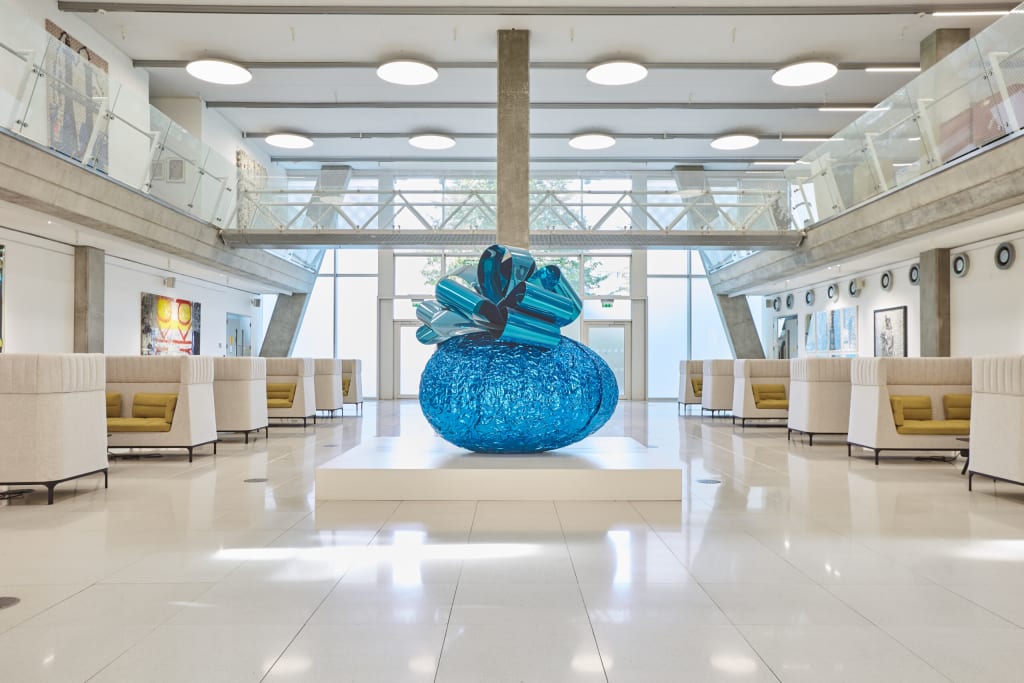
Key project info
- Size: 19,000 sq ft
- Location: London
- Standout feature: Overall boutique hospitality aesthetic
- Office designer: Curve Workplace
WRKPLC’s verdict
Studio Y is a really creative workplace experience, designed around the specific needs of a sector community. Flexible, stylish and totally unique.
6/ Meadow Workspace, Westbourne Park building
Meadow is a creative coworking space that’s designed as a sensory, textural retreat from urban pace. The interior balances openness and intimacy through softly zoned areas for focused work, informal meetings, collaboration and reflection. Warm, tactile materials such as sapele wood, chalky neutrals and layered upholstery, combined with generous biophilic features, create a sense of depth and calm. Bespoke communal workbenches, curved modular seating, daybeds and a sculptural kitchen island reinforce A‑nrd’s craft‑driven approach. Overall, Meadow delivers a layered, expressive environment that fosters creativity, wellbeing and connection.
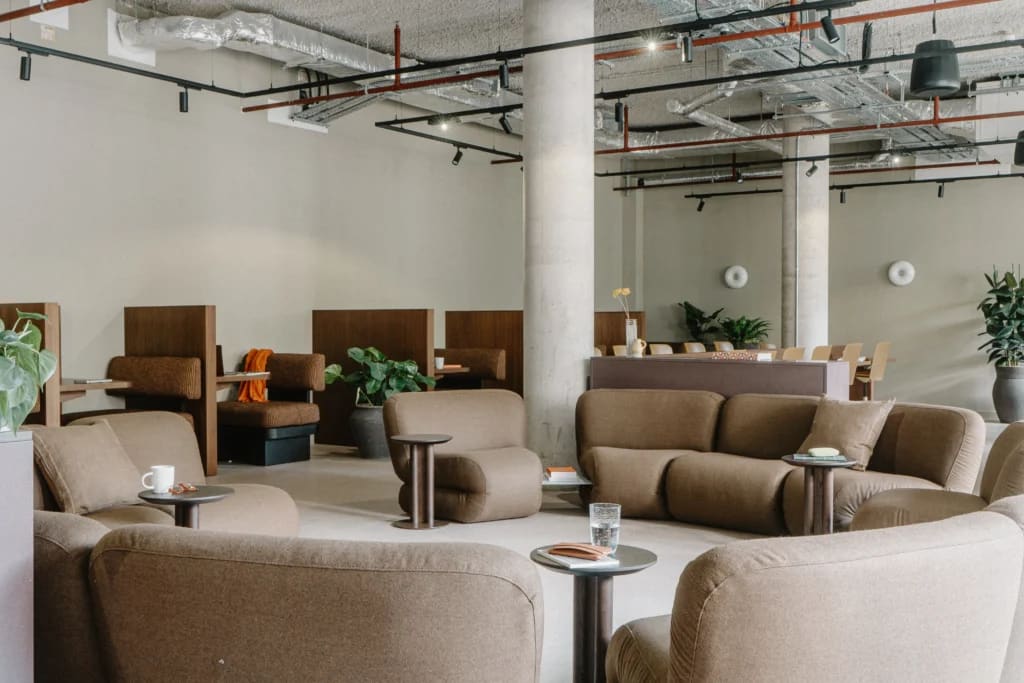
Key project info
- Size: 9,000 sq ft
- Location: London
- Standout feature: Calming natural textures
- Office designer: A-nrd
WRKPLC’s verdict
There’s a natural softness to this interior that really sets it apart as a workspace and promotes a sense of calm – a welcome respite from the rhythms of urban life
7/ x+why, Arding & Hobbs
x+why’s Arding & Hobbs workspace is an impressive reimagining of a beloved 1910 Grade II‑listed Clapham landmark. The design blends Edwardian character with contemporary flexibility, creating a refined, heritage‑led coworking hub. Restored features include a vast domed rooflight, exposed brickwork and iconic cupola. The coworking floors offer dedicated desks, 30 serviced offices, phone booths and a podcast room, complemented by a hospitality‑style private members’ club, The Arding Rooms. Rich detailing, crafted finishes and thoughtful zoning create a workspace that feels both historic and modern, fostering a vibrant new community in Clapham.
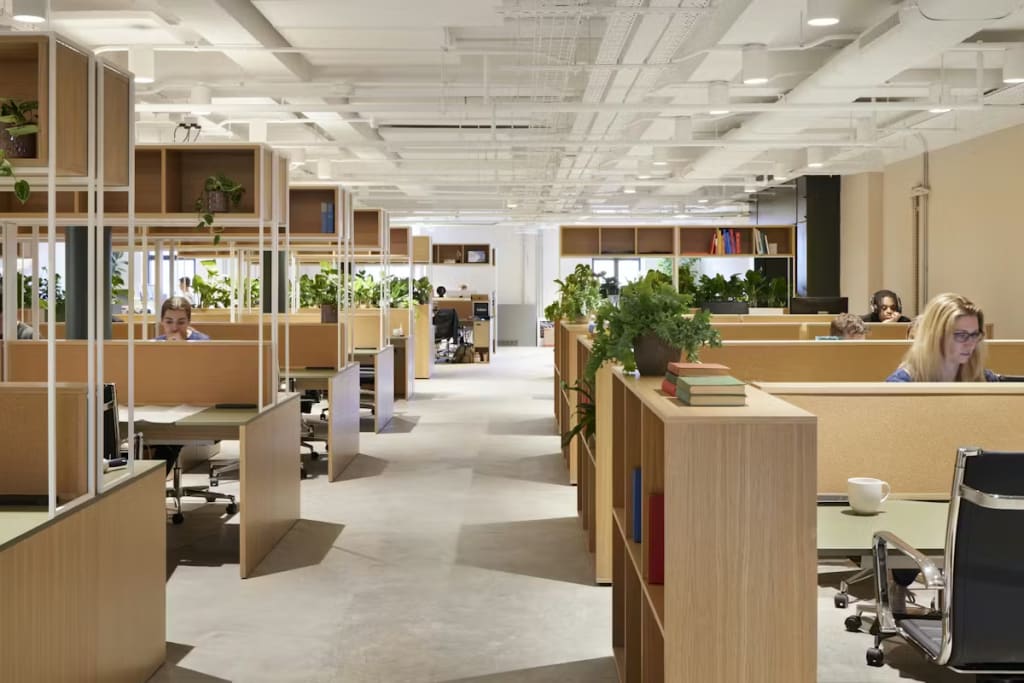
Key project info
- Size: 25,000 sq ft
- Location: London
- Standout feature: The rooftop cupola
- Office designer: Interaction
WRKPLC’s verdict
This remarkable restoration is full of artistry, craftsmanship and attention to detail. Blending history and modernity, it sets the bar high for heritage-led flexible workspace.
8/ WeWork, Moor Place
WeWork’s revitalised London hub, known as Moor Place, is a sleek, multi‑floor coworking space crafted for modern hybrid businesses. Spanning eight levels, the design blends open, light‑filled lounges with focused suites, collaborative zones and high‑quality meeting facilities. A sculptural statement staircase anchors the building’s social core, while vibrant artwork and refined finishes create an energising, contemporary feel. An adaptive design approach, which involved the repurposing of materials and upgrading of systems, enabled project delivery and spatial transformation in just 20 weeks. The result is a flexible, future‑focused environment that enhances the member experience and repositions Moor Place as a standout destination for ambitious teams.
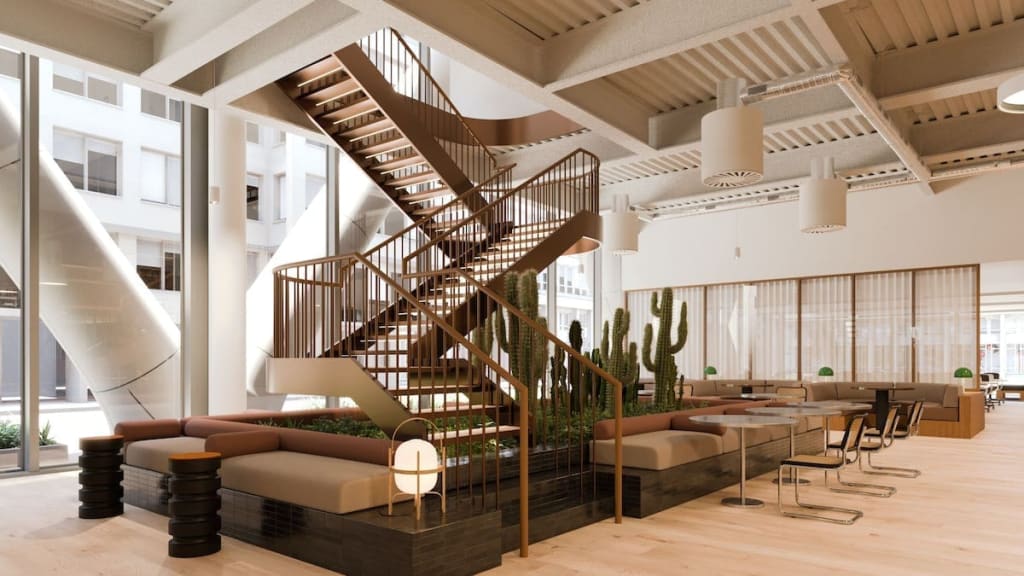
Key project info
- Size: 175,000 sq ft
- Location: London
- Standout feature: 20-week project delivery
- Office designer: TSK
WRKPLC’s verdict
Delivered at pace, this stunning redevelopment has fully revamped WeWork’s central London space – a totally new, re-energised proposition.
Key trends and considerations when designing coworking office space
So, what have we learned from these innovative and cool coworking offices?
Human-centric design is key
Successful modern coworking offices put the end-user at the heart of their design strategies. A strong focus on accessibility and inclusivity ensure spaces are open to all, while the promotion of community, rather than just occupancy, is a key guiding principle.
Blending history and modernity
Heritage-led redevelopments need to achieve a balance between honouring historical context and providing a fully equipped modern office. Design cues and architectural tropes that revive interest in a building’s history are good for community cohesion and local identity. At the same time, tech integration, modern facilities and amenities are required to support business needs.
Zoning for multiple work styles
UK coworking spaces typically include a mix of open collaboration zones, quiet focus areas, phone booths and videocall pods, social lounges and breakout spaces. Private offices and suites for SMEs and start-ups are also key features of coworking developments. This zoning approach supports diverse tenant mixes and work styles, appealing to freelances, teams and companies alike.
Flexibility and modularity
Flexibility and modularity form the backbone of coworking office design. Modular furniture, moveable partitions and reconfigurable layouts mean spaces can be scaled up or down to meet diverse tenant needs. These features also support ‘zoning’ (see above), creating spaces that can be repurposed to enable quiet work, events, workshops, collaboration hubs or social gatherings.
High-quality amenities
A high-quality amenity mix is vital for attracting tenants to coworking spaces. In fact, it’s a major differentiator. Coffee bars, cafés and hospitality-led services, plus gyms, wellness rooms, showers and changing facilities, are a big draw for modern professionals. Other amenities include event spaces and training rooms, outdoor terraces and rooftop areas, media studios and maker spaces.
Biophilia and wellness
Modern workers spend a lot of time at their screens. Natural light, greenery and wellness hubs are essential for their mental and physical wellbeing. Coworking spaces that prioritise wellness will have the edge over those that don’t.
If you’re looking to design a coworking space, get in touch with WRKPLC for expert guidance and advice. You can also download our free Office Design Companies Guide.
People also ask: coworking space designs
Coworking spaces thrive when they balance flexibility, identity and human comfort. Key design approaches include zoning that mirrors real work rhythms; distinctive narrative supporting a clear identity; modularity to ensure spaces are flexible and reconfigurable; seamless, unobtrusive tech; and wellbeing underpinning everything (natural light, biophilia, ergonomic furniture, relaxation areas etc).
Planning a co‑working space design project requires a mix of strategy, spatial logic, brand identity and operational foresight. Your plan should help you shape how people meet, focus, collaborate, recharge and build community. First, define your purpose and vision – why the workspace exists and what success will look like. Next, map your end-user needs and workflows, including tech and infrastructure requirements, spatial typologies and furniture. Finally, design concept and brand expression help to tell your workspace story.
Effective design in coworking spaces isn’t just about aesthetics; it’s a strategic lever that shapes behaviour, boosts revenue and strengthens the workspace brand. When the design is intentional, the space becomes a productivity engine and a commercial asset, helping to attract and retain members, build community and support productivity.
A coworking space is a fundamentally different philosophy of work, built around flexibility, community and shared infrastructure. Whereas a normal office typically houses one company, coworking space is designed for multiple organisations. It also adopts a flexible membership model, rather than long lease or ownership arrangements. It is managed by an operator as a revenue generating asset, typically adopting hospitality‑style amenities and front-of-house servicing as a package.
Looking to design a
cool coworking space?
Discuss your design brief with an expert
By submitting your email address, you agree to our Privacy Policy and Terms & Conditions.


